

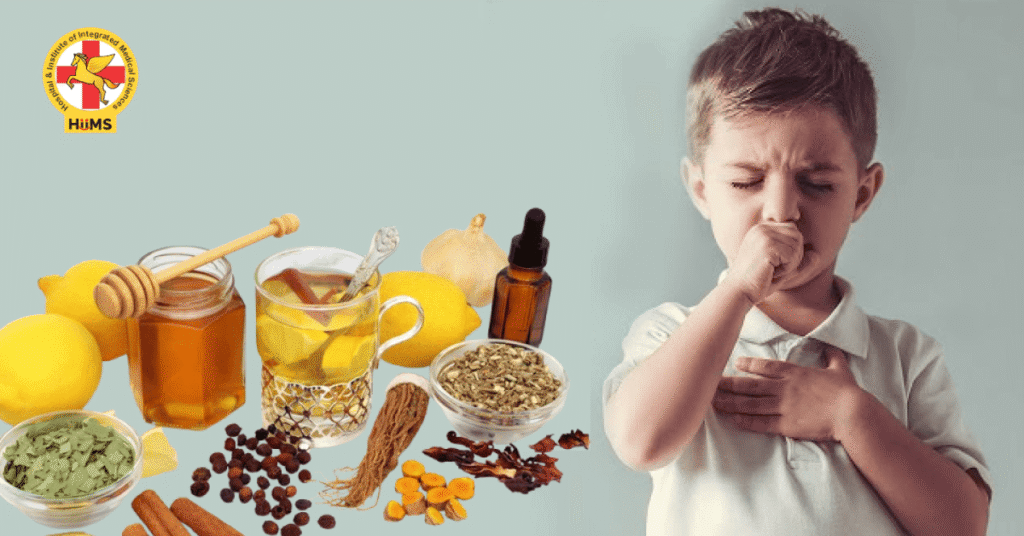
Long before pharmacy shelves were stocked with cold medicine, Indian households relied on kitchen-based remedies passed down through generations. These ayurvedic remedies for cold aren’t just nostalgic tradition — many have genuine supporting logic, even if modern research on some is still catching up. Let’s go through what actually helps, and how to use it properly.
Why Ayurveda Approaches Cold and Cough Differently
Ayurveda views a cold as an imbalance, often linked to excess “kapha” (associated with mucus and congestion). Rather than just suppressing symptoms, the traditional approach focuses on balancing this through warming foods, herbs, and specific remedies. [link to related guide about acupuncture for pain relief here]
Ginger and Honey: The Classic Combination
Quick Answer: Among the most trusted ayurvedic remedies for cold, fresh ginger juice mixed with honey (roughly one teaspoon each) taken 2-3 times daily helps soothe a sore throat and has natural anti-inflammatory properties that many people find genuinely effective for mild cold symptoms.
Ginger contains gingerol, which has documented anti-inflammatory and antimicrobial properties, while honey coats and soothes an irritated throat. I’ve noticed this combination works particularly well right when symptoms first start, more than once the cold has fully set in.
Turmeric Milk (Haldi Doodh)
A warm glass of milk with a pinch of turmeric before bed is one of the most common household remedies across Indian families. Turmeric contains curcumin, which has anti-inflammatory properties, and the warmth itself helps soothe throat irritation.
- Half a teaspoon of turmeric in a cup of warm milk
- Add a pinch of black pepper, which enhances curcumin absorption
- Best taken before bed, since it can also support better sleep during illness
Steam Inhalation With Ajwain or Eucalyptus
Steam inhalation genuinely helps loosen congestion and ease breathing. Adding a teaspoon of ajwain (carom seeds) or a few drops of eucalyptus oil to hot water for steam inhalation is a traditional practice with practical benefit.
- Boil water, remove from heat, add ajwain or eucalyptus oil
- Cover your head with a towel, lean over the bowl carefully
- Inhale deeply for 5-10 minutes, being cautious not to burn yourself with the steam
Picture someone with a stuffy nose unable to sleep well — a proper steam session before bed often provides genuine, if temporary, relief that helps through the night.
Tulsi (Holy Basil) Tea
Tulsi has been used in Ayurvedic practice for centuries, valued for its immune-supporting and anti-inflammatory properties. A simple tea made by boiling fresh tulsi leaves in water, taken 2-3 times daily, is a gentle, accessible remedy for mild cold symptoms.
Kadha: The Traditional Immunity Decoction
Kadha, a spiced herbal decoction, gained significant popularity again during the pandemic years, though it’s been a household staple for far longer. A basic version includes:
- Tulsi leaves
- Ginger
- Black pepper
- Cinnamon
- Cloves
Boiled together in water for 10-15 minutes, strained, and consumed warm. It’s worth noting this supports symptom relief and general wellness rather than acting as a cure for the underlying infection itself.
When Ayurvedic Remedies Aren’t Enough
Has this crossed your mind — relying solely on home remedies while symptoms actually worsen? These ayurvedic remedies for cold work well for mild, uncomplicated colds, but certain signs warrant proper medical attention instead:
- High fever lasting more than 2-3 days
- Difficulty breathing or chest pain
- Symptoms significantly worsening rather than improving after a week
- Signs of a bacterial infection, like thick, discolored mucus with fever
Combining Traditional Remedies With Modern Care
There’s no need to choose one over the other entirely. Many people use these traditional remedies alongside standard medical advice for genuinely mild colds, while reserving proper medical consultation for anything more serious or prolonged.
Frequently Asked Questions
Do ayurvedic remedies for cold actually work scientifically? Several, like ginger, turmeric, and tulsi, have documented anti-inflammatory and antimicrobial properties supporting their traditional use, though they work best for mild symptom relief rather than as a cure.
How quickly do ayurvedic cold remedies show results? Many people notice symptom relief, particularly throat soothing and reduced congestion, within a day or two of consistent use, though full recovery timelines vary by individual.
Is turmeric milk safe to drink daily during a cold? Yes, for most people, a daily cup of turmeric milk during a cold is safe and traditionally recommended, though those on blood thinners should check with a doctor first.
Can steam inhalation help with a blocked nose? Yes, steam inhalation is genuinely effective at temporarily loosening mucus and easing nasal congestion, making breathing more comfortable, especially before sleep.
Are ayurvedic remedies safe for children with colds? Many are generally safe in appropriate, smaller quantities, but it’s best to consult a pediatrician before giving specific herbal remedies to young children, especially infants.
When should I see a doctor instead of relying on home remedies? If fever persists beyond 2-3 days, breathing becomes difficult, or symptoms significantly worsen rather than improve, it’s time to move beyond home remedies and consult a doctor.
Final Thoughts
These ayurvedic remedies for cold have stuck around for generations because, in many cases, they genuinely work for mild symptoms — soothing a sore throat, easing congestion, and supporting comfort during recovery. Keep the ingredients for ginger-honey tea and kadha on hand for the next time a cold strikes, but don’t hesitate to see a doctor if things don’t improve within a few days. Traditional and modern approaches genuinely work well together here.