
It sounds almost like science fiction, but AI in disease diagnosis has moved well beyond theoretical research and into real clinical use across hospitals, including several in India. That said, there’s a lot of hype mixed with genuine progress, so let’s separate what’s actually happening from what’s still mostly marketing.
How AI Actually Assists With Diagnosis
Rather than replacing doctors, most current applications of AI in disease diagnosis function as a support tool — analyzing patterns in medical images, lab results, or patient data far faster than a human could manually, then flagging findings for a doctor’s review.
I’ve noticed a lot of public discussion frames this as “AI replacing doctors,” which genuinely isn’t the current reality — it’s more accurate to think of it as a very fast, tireless assistant that still needs human oversight and final judgment.
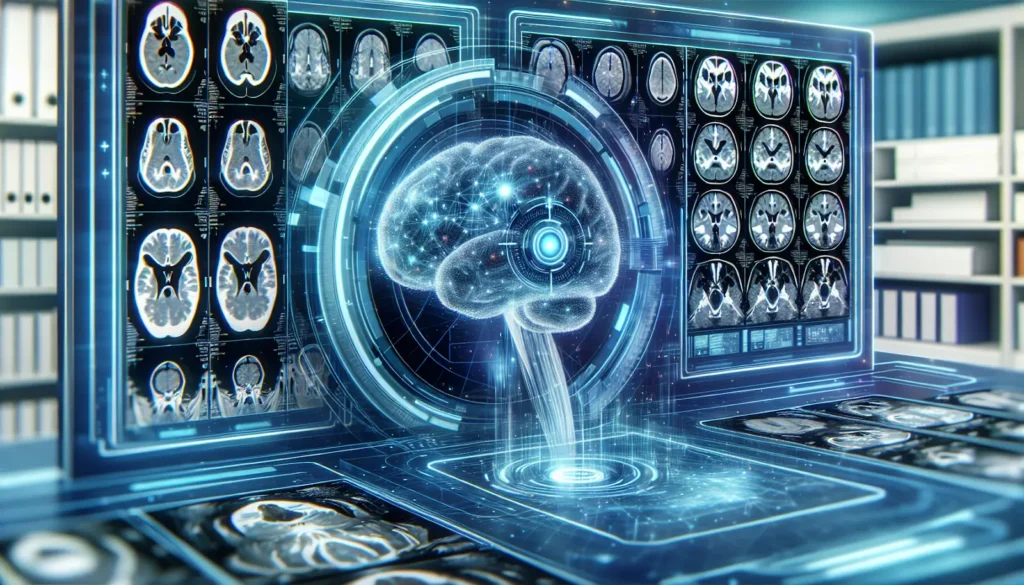
Medical Imaging: Where AI Shows the Most Promise
Quick Answer: Among current applications, AI in disease diagnosis shows the strongest results in medical imaging — analyzing X-rays, CT scans, and MRIs to detect patterns like tumors, fractures, or early-stage diseases, sometimes with accuracy matching or exceeding human radiologists in specific, narrow tasks.
Specific areas seeing real adoption:
- Detecting diabetic retinopathy from retinal scans
- Identifying potential tumors in mammograms and CT scans
- Flagging abnormalities in chest X-rays, including tuberculosis screening
- Analyzing skin lesions for potential melanoma indicators
AI in Pathology and Lab Analysis
Beyond imaging, AI tools are increasingly used to analyze pathology slides and lab results, helping identify patterns like cancer cell characteristics faster than traditional manual review, while still requiring pathologist confirmation.
Early Disease Prediction and Risk Assessment
Picture a system analyzing years of a patient’s health records, alongside genetic and lifestyle data, to flag elevated risk for conditions like diabetes or heart disease before symptoms even appear. This predictive capability is genuinely one of the more exciting frontiers of AI in disease diagnosis, allowing earlier intervention than traditional symptom-based diagnosis. [link to related guide about best health apps 2026 here]
Real Examples of AI Adoption in Indian Healthcare
Several Indian hospitals and healthcare startups have integrated AI-assisted diagnostic tools, particularly for:
- Tuberculosis screening in rural and underserved areas, where radiologist access is limited
- Diabetic retinopathy screening programs, catching eye complications early
- Cancer detection support tools in major hospital chains
- AI-assisted triage systems in some emergency departments
Limitations and Genuine Concerns
Has this ever crossed your mind — what happens when AI gets something wrong? This is a genuinely valid concern, and current limitations include:
- AI models can reflect biases present in their training data
- Performance can vary significantly across different patient populations
- Over-reliance risk if doctors defer too heavily without independent judgment
- Data privacy concerns around sensitive health information
Regulatory bodies, including in India, are still actively developing frameworks specifically for AI in healthcare, since this technology has moved faster than some existing regulations anticipated.
What This Means for Patients Right Now
For most patients today, AI’s role remains largely behind the scenes — assisting the doctor you’re already seeing, rather than something you’d interact with directly. That said, some patient-facing symptom-checker tools and screening apps do use AI, though these should be treated as informational, not diagnostic, and never a replacement for actual medical consultation.
The Future Direction of AI in Diagnosis
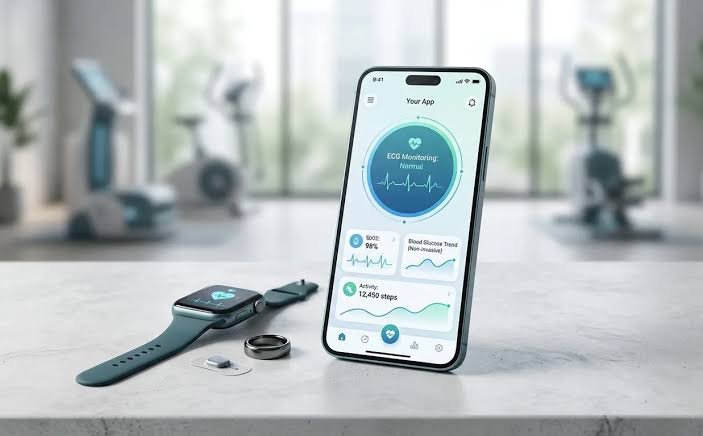
Development continues toward more personalized, predictive healthcare — models that could eventually integrate genetic data, wearable device data, and traditional medical records for a much more complete, proactive health picture rather than the current, more reactive approach to diagnosis.
Frequently Asked Questions
How accurate is AI in disease diagnosis compared to doctors? In specific, narrow tasks like certain imaging analyses, AI in disease diagnosis has shown accuracy matching or exceeding human specialists, though it currently works best as a support tool alongside doctor oversight, not a replacement.
Is AI replacing doctors in hospitals? No, current applications function primarily as diagnostic support tools, helping doctors work faster and catch things they might miss, rather than replacing clinical judgment and patient interaction.
What diseases can AI currently help diagnose? AI shows strong results in diabetic retinopathy, certain cancers through imaging analysis, tuberculosis screening, and some cardiovascular risk assessments, among other applications.
Are AI diagnostic tools available in India? Yes, several Indian hospitals and healthcare startups have integrated AI-assisted tools, particularly for imaging analysis and screening programs in areas with limited specialist access.
Is my health data safe with AI diagnostic tools? This varies by provider — reputable healthcare institutions follow data protection protocols, though it’s reasonable to ask your provider specifically how AI tools handle and store your data.
Can I trust a symptom-checker app powered by AI? Use these as a general informational starting point only, never as an actual diagnosis — always follow up with a qualified doctor for any genuine health concern, regardless of what an app suggests.
Final Thoughts
AI in disease diagnosis represents a genuinely significant shift in healthcare, particularly for imaging and early screening, though it’s important to understand its current role as a support tool rather than a replacement for actual doctors. As this technology continues developing through 2026 and beyond, staying informed helps you understand what’s happening behind the scenes at your next hospital visit, even if you never interact with the AI directly. It’s a space genuinely worth watching over the next few years.