
Falls among elderly family members are one of those things nobody talks about until it happens, and by then, recovery is often long and difficult. The good news is that most falls are genuinely preventable with a few practical home changes. These fall prevention tips for elderly don’t require expensive renovations — mostly just awareness and some simple adjustments.
Why Falls Are So Common in Older Adults
Aging brings changes in balance, vision, muscle strength, and reaction time, all of which increase fall risk. Add common issues like poor lighting, loose rugs, and slippery bathroom floors, and it’s easy to see how quickly a fall can happen, even in a familiar home.
Bathroom Safety: The Highest-Risk Zone
Quick Answer: Among all fall prevention tips for elderly, bathroom modifications matter most, since bathrooms account for a large share of home falls due to wet, slippery surfaces. Installing grab bars near the toilet and shower, along with non-slip mats, significantly reduces this risk.
- Install grab bars near the toilet and inside the shower
- Use non-slip mats both inside and outside the shower
- Consider a shower chair for those with balance concerns
- Ensure adequate lighting, including a night light for late-night bathroom trips
I’ve noticed a lot of families delay these changes because they feel like “giving in” to aging, but honestly, a ₹500 grab bar is a small investment against a potentially serious hip fracture.
Lighting Throughout the Home
Poor lighting is an underrated but significant fall risk factor, especially for nighttime bathroom trips:
- Install night lights along hallways and near the bathroom
- Ensure light switches are easily accessible near bed and doorways
- Replace dim bulbs with brighter ones in frequently used areas
- Consider motion-sensor lights for automatic illumination
Clearing and Securing Walkways
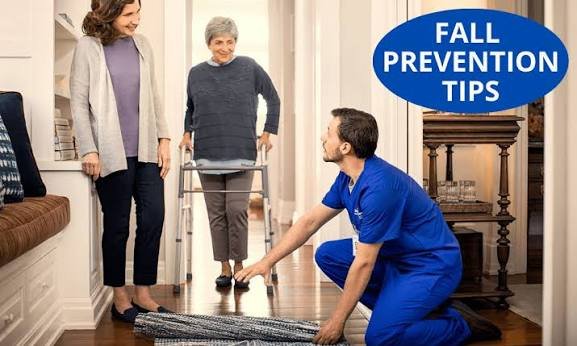
Picture an elderly parent navigating a hallway cluttered with electrical cords, loose rugs, or furniture placed too close together — even minor obstacles become significant hazards with reduced balance and vision. [link to related guide about memory loss elderly warning signs here]
- Remove loose rugs or secure them firmly with non-slip backing
- Keep walkways clear of clutter, cords, and furniture
- Arrange furniture with wide, clear pathways in mind
- Secure any loose floorboards or uneven flooring
Footwear Matters More Than People Realize
Loose slippers, especially the backless kind common in many Indian households, are a genuine fall risk. Encourage well-fitted, non-slip footwear with proper back support, even indoors.
Strength and Balance Exercises
Beyond home modifications, physical strength genuinely reduces fall risk over time. Simple exercises, ideally guided by a physiotherapist initially, include:
- Chair-supported squats to build leg strength
- Standing on one foot briefly (with support nearby) for balance practice
- Gentle walking routines, gradually increasing distance
- Tai chi or yoga specifically adapted for seniors, which has strong research support for fall reduction
Medication Review and Fall Risk
Certain medications, particularly those affecting blood pressure, sedatives, and some combinations, can increase dizziness and fall risk. Has this ever crossed your mind as a factor? A periodic medication review with a doctor, specifically asking about fall risk side effects, is genuinely worth doing annually.
Vision Checks: An Often-Missed Step
Regular eye exams matter more with age, since declining vision directly contributes to fall risk. An outdated eyeglass prescription or undiagnosed cataracts can significantly impair depth perception and obstacle awareness.
Frequently Asked Questions
What are the most effective fall prevention tips for elderly at home? Bathroom modifications like grab bars, improved lighting, clearing walkways, and proper footwear are among the most effective fall prevention tips for elderly, alongside regular strength exercises.
Why are elderly people more prone to falls? Reduced muscle strength, slower reaction time, vision changes, and balance issues that come with aging all contribute to higher fall risk in older adults.
Do grab bars really make a difference in preventing falls? Yes, particularly in bathrooms, where wet and slippery surfaces combined with balance issues create significant fall risk — grab bars provide crucial support during transfers.
Can exercise reduce fall risk in older adults? Yes, strength and balance-focused exercises, including tai chi and simple guided routines, have strong evidence supporting meaningful fall risk reduction.
How often should elderly family members get their vision checked? Annually is generally recommended, since vision changes can happen gradually and significantly impact fall risk without the person fully realizing it.
What should I do immediately if an elderly family member falls? Stay calm, avoid moving them abruptly if they report pain (especially hip or back pain), and seek medical evaluation promptly, even if they seem okay initially.
Final Thoughts
Implementing these fall prevention tips for elderly doesn’t require a major home renovation — most changes are affordable and can be done over a single weekend. Walk through your parent’s or grandparent’s home this week with fresh eyes, looking specifically for the risks mentioned above, and start with the bathroom first since it carries the highest risk. A small upfront effort here genuinely protects against a life-altering injury later.