

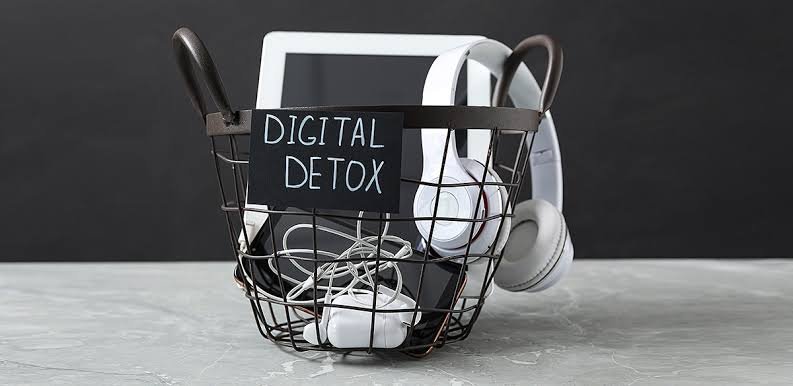
Be honest — can you even remember? I tried it myself a few months back and lasted about six hours before caving in to check messages. That’s when I realized I needed an actual structured digital detox plan rather than just vaguely “trying to use my phone less.” If you’re feeling foggy, anxious, or oddly exhausted despite doing nothing physically demanding, your screen time might be the quiet culprit.
Why a Digital Detox Actually Matters
Constant notifications keep your brain in a low-grade state of alertness all day. Over time, this contributes to poor sleep, shorter attention spans, and honestly, a weird kind of restlessness even when you’re doing nothing.
Studies have linked excessive screen time to increased anxiety and disrupted sleep cycles — and in 2026, with average screen time in India crossing 7 hours a day for many young professionals, this isn’t a small issue anymore.
Day 1-2: Awareness Without Restriction
Quick Answer: The first phase of any effective digital detox plan isn’t about cutting screens immediately — it’s about tracking your actual usage. Most phones have built-in screen time trackers; use them for two days without changing your habits, just to see the real numbers.
You’ll probably be shocked. Most people underestimate their screen time by 2-3 hours. Don’t judge yourself here, just observe.
Day 3-4: Setting Boundaries, Not Bans
Trying to quit cold turkey rarely works — I’ve tried and failed at this multiple times. Instead, set specific boundaries:
- No phone in the first 30 minutes after waking up
- No screens 1 hour before bed
- Designated “phone-free” zones, like the dining table
Picture a working mother in Jaipur who used to scroll Instagram during dinner with her kids without even realizing it — a simple “phones in another room during meals” rule changed the whole family dynamic within days.
Day 5: The App Audit
Go through your phone and genuinely ask which apps add value versus which ones just eat time. Social media apps are usually the biggest offenders.
- Delete or hide apps you don’t actually need daily
- Turn off non-essential notifications entirely
- Move remaining social apps off your home screen
This one step alone reduces a lot of the “mindless open the app” habit, since you have to actually search for it now.
Day 6: Replacing the Habit, Not Just Removing It
Here’s the thing nobody tells you — you can’t just remove a habit, you have to replace it with something else, or your brain will find its way back to the phone out of boredom.
Try:
- Keeping a physical book nearby for those idle moments
- A short walk instead of a scroll break
- Journaling for five minutes before bed instead of checking your phone
Day 7: Reflect and Build a Sustainable Routine
By day 7, most people notice some real shifts — slightly better sleep, less of that scattered feeling, maybe even more patience in conversations. [link to related guide about improving sleep quality naturally here]
The goal isn’t to never use your phone again — that’s unrealistic for most of us, especially with work demands. The goal is building a digital detox plan you can sustain long-term, not just for one week.
Making It Stick Beyond the 7 Days
Here’s where most detox attempts fail — people go back to old habits the moment the “challenge” ends. A few things that genuinely help long-term:
- Keep one no-phone rule permanently, like during meals
- Do a mini digital detox weekend once a month
- Use grayscale mode on your phone — it sounds silly, but it genuinely makes scrolling less appealing
Frequently Asked Questions
How do I start a digital detox without quitting cold turkey? Start with awareness — track your usage first, then gradually set specific time and place boundaries rather than banning your phone entirely, which rarely lasts.
What are the signs I need a digital detox? Trouble sleeping, feeling anxious without your phone nearby, reduced attention span, and constantly checking notifications out of habit rather than need.
How long should a digital detox last? A week is a good starting point for a structured digital detox plan, but even a single day off social media weekly can build lasting benefits.
Does a digital detox actually improve mental health? Many people report reduced anxiety and better sleep, though results vary — it’s less about the detox itself and more about the habits you build during it.
Can I do a digital detox while still working from a laptop? Yes, focus the detox on non-work usage — social media, entertainment apps — rather than trying to eliminate necessary work screen time.
What should I do instead of scrolling my phone? Reading, short walks, journaling, or simply sitting with your thoughts for a few minutes — anything that doesn’t involve another screen.
Final Thoughts
A proper digital detox plan isn’t about punishing yourself for using your phone — it’s about taking back a bit of control over your own attention. Give the seven days an honest try, notice how you feel, and keep whatever sticks. Maybe start tonight — put your phone in another room an hour before bed and just see what happens.