

Prostate issues aren’t exactly dinner table conversation, and that’s honestly part of the problem — a lot of men delay getting checked simply out of discomfort talking about it. Understanding basic prostate health symptoms early makes a genuine difference in outcomes, since many prostate conditions are highly manageable when caught in time.
Where the Prostate Is and What It Does
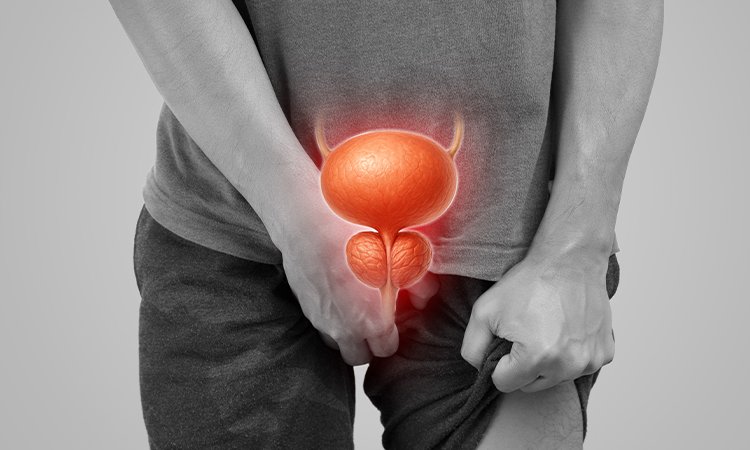
The prostate is a small gland, roughly walnut-sized, located below the bladder in men. It produces fluid that’s part of semen and sits around the urethra, which is exactly why prostate issues often show up as urinary symptoms first.
Common Symptoms Related to an Enlarged Prostate (BPH)
Quick Answer: The most common prostate health symptoms, particularly with benign prostatic hyperplasia (BPH), include frequent urination (especially at night), difficulty starting urination, a weak urine stream, and a feeling of incomplete bladder emptying — these typically develop gradually with age.
- Needing to urinate more often, especially waking up multiple times at night
- Difficulty starting urination, or a delayed start
- Weak or interrupted urine stream
- Feeling like the bladder isn’t fully empty after urinating
- Dribbling at the end of urination
I’ve noticed men often adjust their lifestyle around these symptoms — planning routes around bathroom access, avoiding long car rides — without ever mentioning it to a doctor, assuming it’s just a normal part of aging.
When Symptoms Might Point to Something More Serious
While BPH (an enlarged but non-cancerous prostate) is extremely common with age, certain symptoms warrant quicker medical attention:
- Blood in urine or semen
- Persistent pelvic or lower back pain
- Painful ejaculation
- Sudden, significant changes in urinary symptoms
Has this crossed your mind — that these symptoms could point toward something more serious than “just aging”? It’s worth getting checked rather than assuming, since early detection genuinely improves outcomes significantly for prostate cancer specifically. [link to related guide about senior care fall prevention tips here]
Age and Prostate Health: What to Expect
Prostate enlargement is genuinely common — studies suggest more than half of men in their 60s experience some degree of BPH, and this rises further with age. It’s not inherently dangerous on its own, but symptoms can significantly affect quality of life if left unmanaged.
How Doctors Screen for Prostate Issues
Standard screening typically includes:
- PSA (Prostate-Specific Antigen) blood test
- Digital rectal exam (DRE), which sounds uncomfortable but takes under a minute
- Ultrasound, if further evaluation is needed
Picture a man in his 50s avoiding a routine check-up purely out of embarrassment about the DRE — that brief moment of discomfort is genuinely nothing compared to catching a serious issue early.
Lifestyle Factors That Support Prostate Health
While genetics play a significant role, certain habits support overall prostate health:
- Regular physical activity
- A diet rich in vegetables, particularly tomatoes (lycopene) and cruciferous vegetables
- Limiting excessive red meat and high-fat dairy
- Maintaining a healthy weight
- Staying adequately hydrated, while reducing fluids a couple hours before bed to manage nighttime urination
When Should Men Start Getting Screened?
General guidance suggests men consider prostate screening discussions with their doctor starting around age 50, or earlier — around 40-45 — if there’s a family history of prostate cancer. This isn’t a one-size-fits-all rule, so a personal conversation with your doctor matters more than a strict age cutoff.
Frequently Asked Questions
What are the earliest prostate health symptoms to watch for? Frequent nighttime urination, a weaker urine stream, and difficulty starting urination are typically among the earliest noticeable prostate health symptoms men report.
Is an enlarged prostate always cancerous? No, benign prostatic hyperplasia (BPH) is a non-cancerous enlargement and is far more common than prostate cancer, though symptoms can sometimes overlap.
At what age should men get prostate screening? Generally around age 50, or 40-45 with a family history of prostate cancer, though this should be a personalized discussion with your doctor.
Can diet affect prostate health? Yes, diets rich in vegetables, particularly tomatoes and cruciferous vegetables, alongside limited red meat, are associated with better prostate health outcomes.
Does frequent urination always mean a prostate problem? Not always — it can also be linked to diabetes, excessive fluid intake, or bladder issues, so a proper evaluation helps identify the actual cause.
Is the prostate exam painful? The digital rectal exam causes brief discomfort for most men, typically lasting under a minute, and is far less unpleasant than most people anticipate beforehand.
Final Thoughts
Paying attention to prostate health symptoms early, rather than dismissing them as just “getting older,” genuinely improves how manageable most prostate conditions turn out to be. If you’ve noticed any of these changes, especially nighttime urination or a weaker stream, bring it up at your next check-up rather than waiting it out. It’s a brief, slightly uncomfortable conversation that’s honestly worth having sooner rather than later.