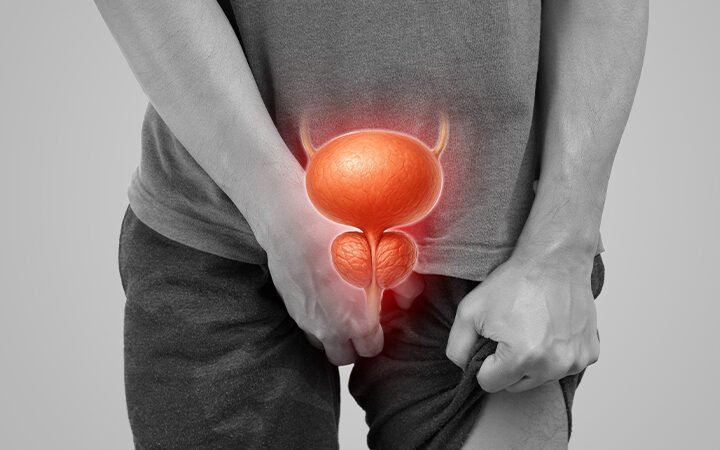


A lot of men brush off fatigue, low motivation, and reduced strength as just “getting older” or “being busy with work.” Sometimes that’s true — but sometimes it’s actually low testosterone symptoms quietly building up over months or years. It’s a topic men don’t discuss much, which is exactly why so many go undiagnosed for far longer than necessary.
What Testosterone Actually Does
Testosterone isn’t just about muscle and libido, though those get the most attention. It also affects mood, energy levels, bone density, red blood cell production, and cognitive sharpness. Levels naturally decline with age — roughly 1% per year after 30 — but a sharper decline can cause noticeable symptoms.
The Most Common Physical Symptoms
Quick Answer: The most reported low testosterone symptoms include persistent fatigue, reduced muscle mass despite regular exercise, increased body fat (especially around the midsection), and reduced libido — often appearing gradually rather than suddenly, which is why they’re easy to dismiss.
- Fatigue that doesn’t improve with rest
- Difficulty building or maintaining muscle despite training
- Increased belly fat, even with consistent diet and exercise
- Reduced libido or sexual performance changes
- Loss of body hair in some cases
I’ve noticed men often attribute these changes purely to aging or stress, without ever considering a simple blood test could clarify what’s actually going on.
Mood and Cognitive Changes
Low testosterone doesn’t just affect the body — it genuinely impacts mental state too:
- Irritability or low mood that feels different from typical stress
- Reduced motivation and drive, even for things you usually enjoy
- Difficulty concentrating or a general mental “fog”
- Disrupted sleep patterns
Picture a man in his late 30s who used to be highly driven at work suddenly finding himself unmotivated and foggy for months — it’s easy to blame burnout, but it’s worth ruling out hormonal factors too. [link to related guide about work burnout symptoms here]
How Low Testosterone Is Actually Diagnosed
A simple blood test measuring total testosterone, usually done in the morning when levels are naturally highest, costs around ₹800-1,500 at most labs in India. Levels below 300 ng/dL are generally considered low, though normal ranges can vary slightly between labs.
Doctors typically confirm with two separate morning tests before making a diagnosis, since levels can fluctuate day to day.
Lifestyle Factors That Lower Testosterone
Several everyday habits can contribute to declining levels beyond just natural aging:
- Poor sleep quality or insufficient sleep duration
- Chronic stress and elevated cortisol
- Excess body fat, particularly visceral fat
- Sedentary lifestyle with minimal strength training
- Excessive alcohol consumption
Natural Ways to Support Healthy Testosterone Levels
Before jumping to medical treatment, several lifestyle changes genuinely help:
- Strength training, particularly compound movements like squats and deadlifts
- Prioritizing 7-8 hours of quality sleep
- Managing stress through activities that genuinely help you unwind
- Maintaining a healthy body weight, especially reducing excess abdominal fat
- Ensuring adequate vitamin D and zinc intake through diet or sun exposure
When Medical Treatment Becomes Necessary
If lifestyle changes over 3-6 months don’t improve symptoms, and blood tests confirm consistently low levels, doctors may discuss testosterone replacement therapy. This is a genuine medical decision requiring proper monitoring, not something to self-diagnose or self-treat with over-the-counter supplements.
Frequently Asked Questions
What age do men typically start experiencing low testosterone symptoms? It can begin gradually after age 30, though noticeable low testosterone symptoms are more commonly reported in men in their 40s and beyond, depending on individual health factors.
Can low testosterone cause weight gain? Yes, particularly increased fat around the abdomen, partly because lower testosterone reduces muscle mass, which in turn lowers overall metabolic rate.
Is fatigue always a sign of low testosterone? Not always — fatigue has many possible causes, so a blood test is the only reliable way to confirm whether testosterone is actually the underlying factor.
Can exercise naturally increase testosterone levels? Yes, particularly strength training and high-intensity workouts, though the effect varies by individual and works best combined with good sleep and stress management.
Does low testosterone affect mental health? Yes, it’s linked to increased irritability, reduced motivation, and in some cases, symptoms resembling mild depression, which often improve once levels are addressed.
How is low testosterone treated? Treatment ranges from lifestyle changes (sleep, exercise, weight management) to testosterone replacement therapy in more significant, medically confirmed cases, always under a doctor’s supervision.
Final Thoughts
Recognizing low testosterone symptoms early means you’re not stuck wondering for years why you feel consistently off. If several of these signs sound familiar, a simple morning blood test can give you actual answers instead of guesswork. Book that test this month rather than continuing to write it off as “just stress” or “just getting older.”