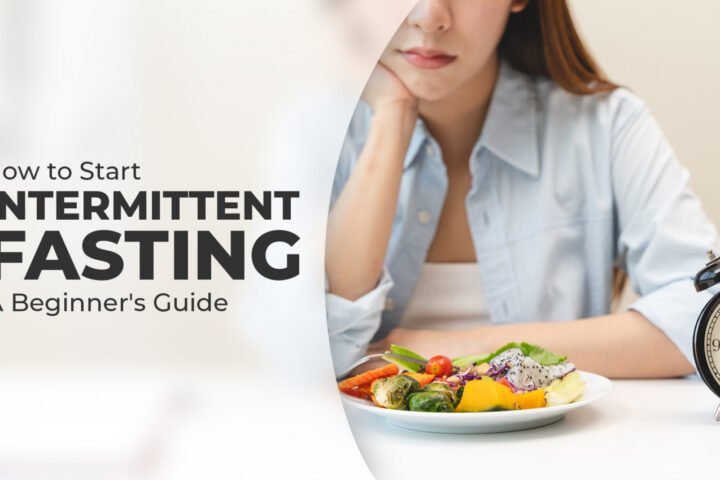


This is genuinely one of the most frustrating experiences — cutting calories, skipping dessert, and the scale just refuses to move. If you’re not losing weight despite dieting, there’s usually a specific, fixable reason behind it, even if it doesn’t feel that way right now. Let’s dig into what’s actually going on.
You’re Probably Underestimating Your Calorie Intake
Quick Answer: The most common reason people are not losing weight despite dieting is inaccurate calorie tracking — small bites, cooking oil, sauces, and “healthy” snacks add up quickly, often accounting for 300-500 extra calories a day without realizing it.
I’ve noticed this constantly — people track their main meals meticulously but completely forget the two spoons of oil in the sabzi, the handful of nuts while cooking, or that “just one bite” of someone else’s plate.
Try weighing your food for a week, even roughly, using a basic kitchen scale (available for around ₹400). The results are often eye-opening.
Your Metabolism Might Have Adapted
When you diet for an extended period, your body genuinely adapts by slowing down metabolism slightly — a survival mechanism called metabolic adaptation. This is why the same diet that worked initially can stall after a few months.
- Diet breaks (returning to maintenance calories for 1-2 weeks) can help reset this
- Ensure you’re not cutting calories too aggressively from the start
- Strength training helps preserve metabolic rate during weight loss
Stress and Cortisol Are Working Against You
Picture someone dieting strictly while also dealing with a high-pressure job and poor sleep — chronically elevated cortisol from stress can promote fat retention, particularly around the midsection, regardless of how clean the diet is.
Managing stress isn’t just a “nice to have” for weight loss — it’s genuinely part of the equation, though it rarely gets mentioned alongside diet and exercise advice.
Sleep Deprivation Sabotages Weight Loss
Poor sleep disrupts hunger hormones — ghrelin (which increases appetite) rises, while leptin (which signals fullness) drops. This makes overeating far more likely, even when you’re consciously trying to eat less. [link to related guide about how to stop overthinking here]
Aim for 7-8 hours consistently; this alone has been shown to support better weight management outcomes independent of diet changes.
Water Retention Is Masking Real Progress
Especially in the first few weeks of a new diet or exercise routine, water retention can hide actual fat loss on the scale. Increased salt intake, new workout routines, hormonal fluctuations, and even higher carb meals can all cause temporary water weight.
- Weigh yourself weekly, same time, same conditions, rather than daily
- Track measurements (waist, hips) alongside weight
- Take progress photos monthly — the scale doesn’t always tell the full story
Are You Doing Too Much Cardio, Too Little Strength Training?
Excessive cardio without strength training can lead to muscle loss alongside fat loss, which actually slows your metabolism over time. A combination approach — moderate cardio plus 2-3 strength sessions weekly — tends to produce better long-term results.
Hidden Medical Factors Worth Ruling Out
If you’ve genuinely been consistent for 2-3 months with no results at all, it’s worth checking:
- Thyroid function (hypothyroidism slows metabolism significantly)
- PCOS, particularly in women, which affects insulin sensitivity
- Certain medications that promote weight retention
Has this ever crossed your mind — that it might not just be “willpower” after all? Sometimes it genuinely isn’t, and a simple blood test can rule out or confirm underlying issues.
Frequently Asked Questions
Why am I not losing weight even though I’m eating less? Often it’s inaccurate calorie tracking, metabolic adaptation, or hidden factors like poor sleep and stress — all common reasons people are not losing weight despite dieting correctly on paper.
Can stress really stop weight loss? Yes, chronic stress raises cortisol levels, which can promote fat storage and increase cravings, working directly against your dieting efforts.
How long should I wait before assuming my diet isn’t working? Give any consistent diet and exercise approach at least 4-6 weeks before making major changes, since short-term fluctuations are normal and don’t reflect the full picture.
Does water retention affect weight loss progress on the scale? Yes, significantly, especially in the first few weeks of a new routine — it can mask real fat loss for several days or even weeks at a time.
Should I do more cardio if I’m not losing weight? Not necessarily — excessive cardio without strength training can backfire by reducing muscle mass, which slows metabolism rather than speeding up fat loss.
Can a thyroid problem cause weight loss resistance? Yes, hypothyroidism specifically can slow metabolism significantly, making weight loss much harder even with a proper diet, so it’s worth getting checked if you’re stuck.
Final Thoughts
If you’re genuinely not losing weight despite dieting, the answer usually isn’t “try harder” — it’s identifying the specific factor working against you, whether that’s tracking accuracy, sleep, stress, or something medical worth checking. Take an honest week to track everything, including the small bites, and reassess from there. If nothing changes after a month of real consistency, a doctor’s visit might save you months of unnecessary frustration.