

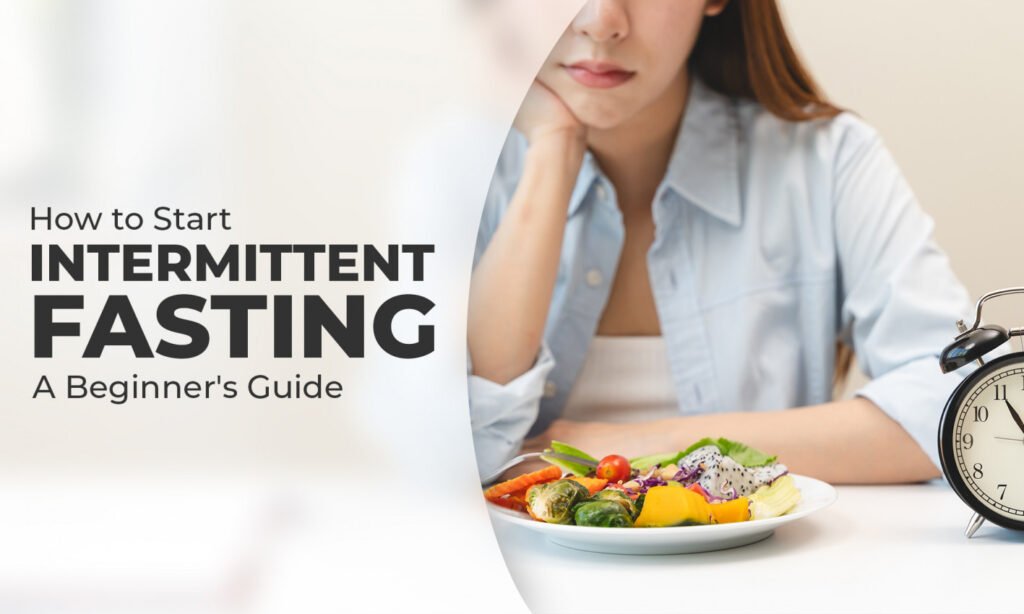
Intermittent fasting has genuinely become one of the most talked-about approaches to weight management, and honestly, once you understand the basics, it’s a lot less complicated than it sounds. This intermittent fasting for beginners guide walks through exactly how to start without diving in blindly and giving up within a week, which is what happens to a lot of people.
What Intermittent Fasting Actually Is
At its core, intermittent fasting isn’t about what you eat but when you eat. You cycle between periods of eating and fasting, which naturally reduces your eating window and, for most people, total calorie intake.
It’s not a new concept either — many traditional Indian fasting practices (like Ekadashi or Navratri fasting) share some overlapping principles, even if the specific methods differ.
The Most Common Method: 16:8
Quick Answer: For anyone starting intermittent fasting for beginners style, the 16:8 method — fasting for 16 hours and eating within an 8-hour window — is the easiest to sustain, since most of the fasting period overlaps with sleep.
A typical 16:8 schedule might look like eating between 12 pm and 8 pm, then fasting from 8 pm to 12 pm the next day. You’re technically “fasting” through breakfast and most of the morning, but a good chunk of that is just… sleeping.
Other Popular Fasting Methods
- 5:2 method — eat normally 5 days a week, restrict calories (around 500-600) on 2 non-consecutive days
- OMAD (One Meal a Day) — a more advanced, restrictive approach, not ideal for beginners
- Alternate day fasting — alternating between normal eating and fasting days
- 12:12 — a gentler starting point, 12-hour eating and fasting windows, good for absolute beginners
How to Actually Start Without Struggling
Don’t jump straight into 16:8 if you’re used to eating every 3 hours — that’s a recipe for giving up by day three. Instead:
- Week 1: Try 12:12 (easy, mostly just avoiding late-night snacking)
- Week 2-3: Move to 14:10
- Week 4 onwards: Progress to 16:8 if it feels manageable
Picture someone used to eating breakfast at 8 am suddenly trying to push it to noon — that’s genuinely hard on day one. Gradual adjustment makes the whole thing far more sustainable.
What Can You Have During the Fasting Window?
This trips up a lot of beginners. During fasting hours, you can have:
- Water (as much as you want)
- Black coffee or plain tea, without sugar or milk
- Electrolyte water, if doing longer fasts
Adding milk, sugar, or any calories technically breaks the fast, though a small splash of milk in tea won’t meaningfully derail your results if you’re not being extremely strict about it. [link to related guide about high protein vegetarian foods for Indian diet here]
Common Mistakes Beginners Make
- Overeating during the eating window, thinking fasting “cancels out” excess calories
- Not drinking enough water during the fasting period
- Jumping straight into aggressive fasting windows without easing in
- Ignoring hunger cues that signal genuine issues, not just normal adjustment discomfort
Who Should Be Cautious With Intermittent Fasting
This approach isn’t for everyone. Pregnant or breastfeeding women, people with a history of eating disorders, diabetics on certain medications, and those with specific medical conditions should consult a doctor before starting, since fasting can affect blood sugar and hormone levels significantly.
Frequently Asked Questions
What is the easiest intermittent fasting method for beginners? The 12:12 or 14:10 methods are the gentlest starting points for intermittent fasting for beginners, before progressing to the more popular 16:8 schedule.
Can I drink coffee during intermittent fasting? Yes, black coffee without sugar or milk is generally fine during fasting hours and doesn’t break the fast for most practical purposes.
How long does it take to see results from intermittent fasting? Many beginners notice initial changes within 2-4 weeks, though actual fat loss results depend heavily on overall calorie intake during the eating window too.
Does intermittent fasting slow down metabolism? Research generally shows no significant negative metabolic effect from moderate intermittent fasting approaches like 16:8, when done for reasonable time periods.
Is intermittent fasting safe for women? Generally yes, though some women report hormonal sensitivity to longer fasting windows; starting gentler (12:12 or 14:10) is often recommended for women new to fasting.
Can I exercise while intermittent fasting? Yes, many people exercise during their fasting window without issue, though some prefer working out closer to their eating window if they feel low on energy fasted.
Final Thoughts
Starting intermittent fasting for beginners style doesn’t need to be complicated or extreme — ease in gradually, stay well hydrated, and pay attention to how your body actually responds rather than forcing a rigid schedule from day one. It’s a tool, not a magic fix, and it works best paired with reasonably balanced eating during your window. If you’re curious, try 12:12 for just this coming week and see how it genuinely feels before committing to anything stricter.