
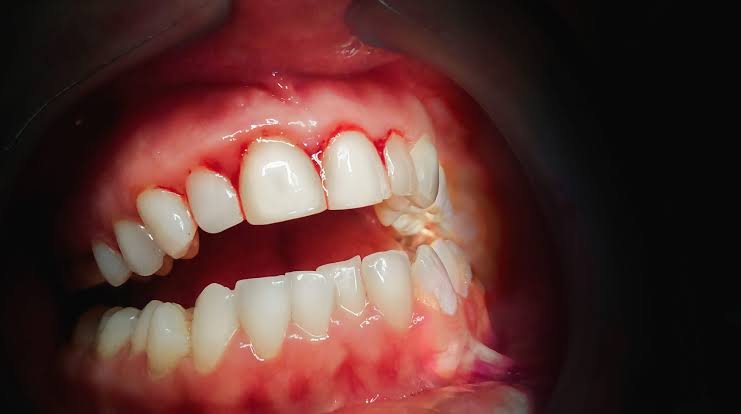
It’s a fairly common moment — you’re brushing normally, and suddenly there’s a pink tinge in the sink. Most people’s first instinct is to brush harder or skip that area next time, which honestly makes things worse, not better. Understanding the actual bleeding gums causes helps you address the real issue instead of just avoiding the symptom.
The Most Common Cause: Gingivitis
Quick Answer: The leading cause among all bleeding gums causes is gingivitis — inflammation of the gums caused by plaque buildup along the gumline. It’s reversible with proper oral hygiene and doesn’t usually require anything more than better daily care and a dental cleaning.
Plaque that isn’t removed properly hardens into tartar within 24-72 hours, which irritates the gums and causes that telltale bleeding, especially during brushing or flossing.
Are You Brushing Too Hard?
I’ve noticed this is one of the most overlooked bleeding gums causes — people think aggressive brushing means cleaner teeth, but it actually damages gum tissue over time, causing recession and bleeding.
Signs you might be brushing too hard:
- Bristles on your toothbrush splay outward within a month or two
- Gums feel sore or sensitive after brushing
- Visible gum recession near the gumline
Switch to a soft-bristled brush and use gentle, circular motions instead of aggressive back-and-forth scrubbing.
Flossing Habits (Or the Lack Thereof)
Ironically, one of the most common causes is actually starting to floss after not flossing for a while — the gums bleed initially because they’re inflamed from prior plaque buildup, not because flossing itself is harmful.
Picture someone who hasn’t flossed in months deciding to start suddenly, seeing blood, and assuming flossing is the problem, when actually sticking with it for a week or two usually resolves the bleeding as gum health improves.
Vitamin Deficiencies and Bleeding Gums
Certain nutrient deficiencies directly contribute to gum bleeding:
- Vitamin C deficiency — affects collagen production in gum tissue
- Vitamin K deficiency — impacts blood clotting ability
- General poor nutrition — weakens overall immune response in gum tissue
[link to related guide about iron rich foods here]
If your oral hygiene routine seems solid but bleeding persists, it might be worth reviewing your diet or getting a basic nutrient panel checked.
Hormonal Changes and Gum Sensitivity
Pregnancy, menstruation, and hormonal contraceptives can all increase blood flow to the gums, making them more sensitive and prone to bleeding even with normal oral hygiene. This is sometimes called “pregnancy gingivitis” and typically resolves after hormone levels stabilize.
Underlying Medical Conditions Worth Ruling Out
While most bleeding gums causes are related to oral hygiene, persistent bleeding despite good habits can sometimes point to something else:
- Diabetes (which affects gum healing and infection risk)
- Blood clotting disorders
- Certain blood-thinning medications
- Vitamin deficiencies mentioned above
If bleeding continues for more than two weeks despite improved brushing and flossing, it’s genuinely worth a dental or medical check-up rather than assuming it’ll resolve on its own.
Building a Gum-Healthy Routine
- Brush twice daily with a soft-bristled brush, two minutes each time
- Floss once daily, gently, without snapping the floss into the gumline
- Use an antiseptic mouthwash if recommended by your dentist
- Get a professional cleaning every 6 months to remove tartar buildup
- Stay hydrated, since dry mouth increases bacterial buildup
Frequently Asked Questions
Why do my gums bleed even though I brush regularly? Among common bleeding gums causes, brushing technique matters as much as frequency — too hard, too soft, or missing certain areas consistently can all lead to ongoing bleeding despite regular brushing.
Is bleeding gums always a sign of gum disease? Not always immediately, but persistent bleeding often does indicate early gum disease (gingivitis), which is reversible if addressed early with better oral hygiene.
Can stress cause bleeding gums? Indirectly, yes. Stress can weaken immune response and sometimes leads to neglecting oral hygiene routines, both of which can contribute to gum bleeding.
How long does it take for bleeding gums to heal? With consistent proper brushing and flossing, mild gingivitis-related bleeding often improves within 1-2 weeks, though more significant issues may take longer.
Should I stop flossing if my gums bleed? No, continuing gentle, consistent flossing usually resolves the bleeding within a week or two, as the underlying gum inflammation improves with regular care.
When should I see a dentist about bleeding gums? If bleeding persists beyond two weeks despite good oral hygiene, or is accompanied by pain, swelling, or loose teeth, book a dental appointment rather than waiting further.
Final Thoughts
Most bleeding gums causes are genuinely manageable with better daily habits — a softer brush, gentler technique, and consistent flossing usually turn things around within a couple of weeks. That said, don’t ignore bleeding that sticks around despite your best efforts; a quick dental visit rules out anything more serious. If you noticed blood this morning, maybe start tonight with a softer brush and gentler strokes instead of waiting for your next dental appointment.