
I hear this complaint constantly from vegetarian friends trying to get fit — “how do I even hit my protein target without eggs or chicken?” The good news is, high protein vegetarian foods for Indian diet are actually everywhere in our own kitchens; we just don’t think about them in terms of grams of protein. Let’s fix that.
Why Protein Matters More Than You Think
Protein isn’t just for bodybuilders. It supports muscle repair, immune function, hair and skin health, and keeps you feeling full longer — which genuinely helps if weight management is also a goal. Most sedentary adults need roughly 0.8g per kg of body weight, while active individuals need closer to 1.2-1.6g per kg.
Dals and Legumes: Your Everyday Protein Base
Quick Answer: Among the most accessible high protein vegetarian foods for Indian diet plans, dals like moong, masoor, and chana provide 18-25g of protein per 100g (dry weight), making them one of the cheapest, most effective protein sources available in Indian kitchens.
- Moong dal: roughly 24g protein per 100g dry
- Chana dal: around 20g protein per 100g dry
- Rajma (kidney beans): about 22g protein per 100g dry
- Masoor dal: roughly 25g protein per 100g dry
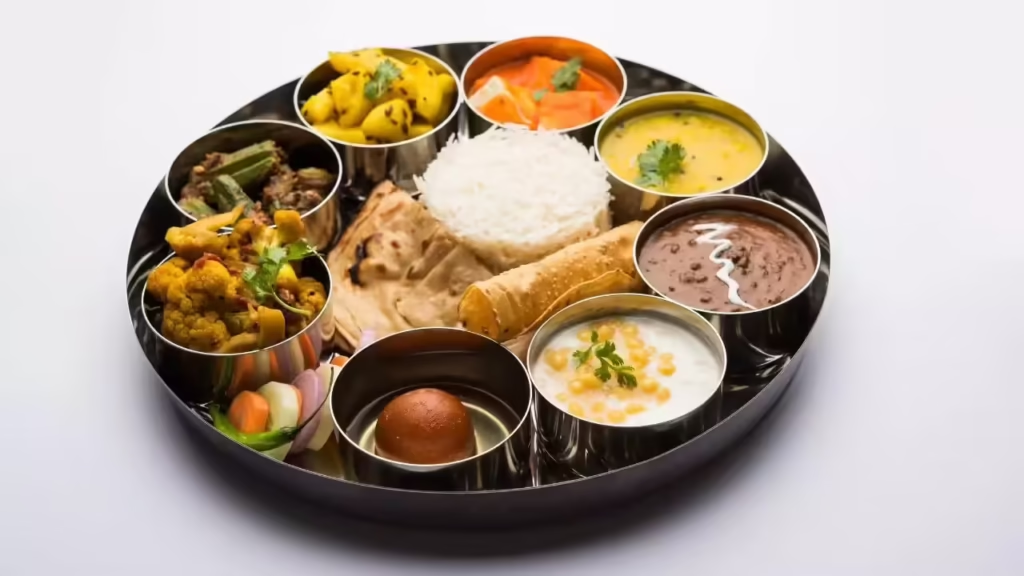
Honestly, a simple dal-chawal meal, done consistently, provides more protein than people give it credit for.
Paneer and Dairy Sources
Paneer is a genuine protein powerhouse — around 18g protein per 100g. Add curd, milk, and buttermilk into your daily routine, and dairy alone covers a significant chunk of your protein needs.
I’ve noticed a lot of people avoid paneer thinking it’s “too fatty,” but a moderate portion, especially the low-fat version, fits well into most diet plans without derailing anything.
Soy Products: Underrated in Indian Kitchens
Soybean chunks (nutrela/soya chunks) are one of the most protein-dense vegetarian foods available, offering around 52g protein per 100g dry weight — that’s higher than most meat sources by weight.
- Soya chunks in curry or pulao
- Tofu, stir-fried or added to salads
- Soy milk, as an alternative to regular milk
Picture a college student in a hostel with limited cooking equipment — soya chunks are cheap, shelf-stable, and can be cooked in a simple pressure cooker curry in under 20 minutes.
Nuts, Seeds, and Sprouts
These make excellent snacking options that quietly add up protein throughout the day:
- Peanuts — roughly 25g protein per 100g
- Almonds — around 21g protein per 100g
- Pumpkin seeds — about 19g protein per 100g
- Sprouted moong — light, easy to digest, roughly 24g per 100g dry equivalent
[link to related guide about weight loss friendly Indian meals here]
Building a Full Day of High-Protein Vegetarian Meals
Here’s a realistic example day:
- Breakfast: Sprouted moong chaat or paneer paratha
- Mid-morning: A handful of almonds and peanuts
- Lunch: Dal, roti, sabzi, curd
- Evening: Roasted chana or soya chunks chaat
- Dinner: Rajma or chole with rice
This kind of day easily crosses 70-80g of protein without a single supplement or protein powder involved.
Do You Need Protein Powder as a Vegetarian?
Not necessarily. If your meals are planned reasonably well, whole food sources cover most people’s needs. Protein powder can help if you’re training intensely and struggling to hit higher targets (100g+), but it’s a convenience tool, not a necessity.
Frequently Asked Questions
What is the best vegetarian source of protein in India? Soya chunks top the list by protein density, but dals, paneer, and legumes are the most practical everyday high protein vegetarian foods for Indian diet plans.
How much protein does a vegetarian need daily? Roughly 0.8-1.6g per kg of body weight, depending on activity level, similar to the requirement for non-vegetarians.
Can vegetarians build muscle without eggs or meat? Yes, absolutely. With a well-planned combination of dals, paneer, soy, and nuts, vegetarians can meet and even exceed typical protein targets for muscle building.
Is paneer a good source of protein for weight loss? Yes, especially low-fat paneer, since it’s high in protein and helps with satiety, making it a solid addition to a weight-conscious diet.
Are lentils a complete protein source? Not entirely on their own, but combining lentils with rice or wheat creates a fairly complete amino acid profile, which is exactly why dal-chawal is such an effective traditional combination.
How can I increase protein intake without supplements? Focus on dals, paneer, soya chunks, curd, nuts, and sprouts spread across your meals — small additions throughout the day add up significantly by evening.
Final Thoughts
Getting enough protein as a vegetarian in India really doesn’t require exotic ingredients or expensive supplements. These high protein vegetarian foods for Indian diet options are likely already sitting in your kitchen — you just need to be a bit more intentional about including them at every meal. Start by adding one extra protein source to tomorrow’s breakfast and build from there.