

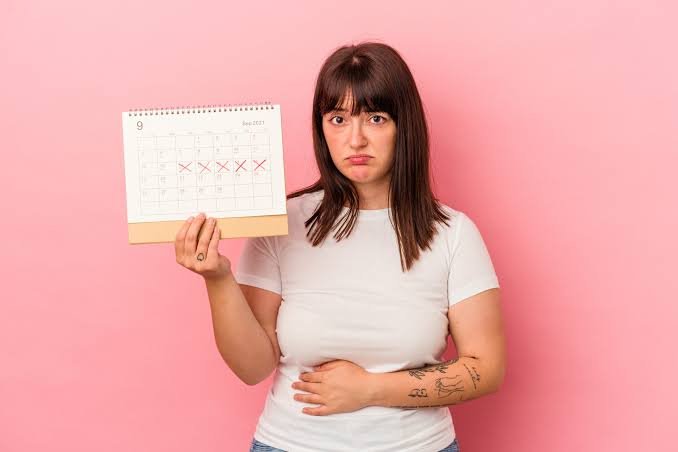
One month it’s 26 days, the next it’s 35, and sometimes it just skips entirely. If this sounds familiar, you’re definitely not alone — irregular cycles are one of the most common reasons women visit a gynecologist. Understanding the actual irregular periods causes helps you figure out whether it’s something to monitor casually or something worth addressing sooner.
What Actually Counts as “Irregular”?
A typical cycle ranges from 21 to 35 days. If your cycle length varies by more than 7-9 days month to month, or you’re missing periods entirely without pregnancy, that’s generally considered irregular and worth paying attention to.
Stress: More Powerful Than People Realize
Quick Answer: Among the most common irregular periods causes, chronic stress disrupts the hypothalamus, which regulates the hormones controlling your menstrual cycle — this can delay ovulation or cause periods to skip entirely, even without any underlying medical condition.
I’ve noticed this pattern constantly among friends going through high-stress periods — job changes, exams, family issues — their cycles shift noticeably during those months, then return to normal once things settle.
PCOS: One of the Leading Medical Causes
Polycystic Ovary Syndrome affects roughly 1 in 5 women in India, according to various studies, and is one of the most common medical irregular periods causes. It’s characterized by irregular ovulation, often alongside symptoms like acne, excess hair growth, and weight fluctuations.
- Irregular or absent periods
- Difficulty losing weight
- Excess facial or body hair growth
- Acne, particularly along the jawline
If several of these sound familiar together, it’s worth getting evaluated rather than just tracking your cycle passively. [link to related guide about PCOS diet plan here]
Thyroid Issues and Your Cycle
Both an overactive and underactive thyroid can throw your cycle off significantly. Thyroid hormones directly influence the hormones regulating menstruation, so even a mild imbalance can cause noticeable irregularity.
A simple TSH blood test, costing around ₹300-500, can rule this in or out fairly quickly if your doctor suspects it.
Sudden Weight Changes
Both significant weight loss and weight gain can disrupt your cycle. Body fat plays a role in hormone production, so extreme dieting or rapid weight gain both send signals that can delay or skip ovulation.
Picture someone starting an intense weight loss program, dropping weight quickly for a wedding or event — it’s genuinely common to see a missed or delayed period as a direct result.
Perimenopause: Often Overlooked in Discussions
For women in their late 30s to mid-40s, irregular periods can be an early sign of perimenopause, the transition phase before menopause. Cycles often become shorter, then longer, with unpredictable gaps as hormone levels fluctuate.
- Cycle length becomes noticeably inconsistent
- Flow may become heavier or lighter than usual
- Other symptoms like hot flashes or mood changes may accompany it
Medications and Contraceptives
Starting or stopping hormonal birth control, certain antidepressants, and some other medications can all temporarily affect cycle regularity. This is usually expected and settles within a few months, though it’s worth mentioning to your doctor if it persists longer.
When to Actually See a Doctor
Has this happened to you — dismissing an irregular cycle for months because “it’s probably just stress”? While that’s often true, certain signs warrant a proper check-up:
- Missing periods for 3+ consecutive months (without pregnancy)
- Extremely heavy bleeding or severe pain
- Irregular cycles lasting more than 6 months
- Irregular periods accompanied by other symptoms like excess hair growth or acne
Frequently Asked Questions
What are the most common irregular periods causes? Stress, PCOS, thyroid imbalances, sudden weight changes, and perimenopause are among the most frequent irregular periods causes doctors see.
Can stress alone cause missed periods? Yes, chronic stress can disrupt hormone regulation enough to delay ovulation or cause a missed period entirely, even without any other underlying condition.
Is PCOS the main reason for irregular periods in young women? It’s one of the leading causes, particularly in women under 35, though not the only one — thyroid issues and stress are also very common contributors.
How long can periods be irregular before it’s a concern? Occasional irregularity isn’t usually a concern, but if it persists beyond 3-6 months or comes with other symptoms, a doctor’s evaluation is recommended.
Can weight loss cause periods to stop? Yes, significant or rapid weight loss can reduce body fat below the threshold needed for regular hormone production, leading to missed or irregular periods.
Does irregular periods always mean PCOS? No, irregular cycles have many possible causes beyond PCOS, including stress, thyroid problems, and lifestyle factors — testing is needed to confirm any specific diagnosis.
Final Thoughts
Understanding irregular periods causes helps take some of the anxiety out of an unpredictable cycle — sometimes it really is just stress, but sometimes it’s a signal worth investigating further. Track your cycle for a couple of months using a simple app, note any other symptoms alongside it, and don’t hesitate to bring it up with a gynecologist if things don’t settle down. It’s a conversation worth having sooner rather than later.