

You wake up, you’ve slept eight hours, and you’re still exhausted by 11 am. Sound familiar? A lot of my friends in their late 20s and 30s complain about this exact thing, and more often than not, the blood test comes back showing low vitamin D. It’s a bit ironic really — we live in a country that gets sunshine almost 300 days a year, yet vitamin d deficiency symptoms are showing up in city dwellers at an alarming rate. In 2026, doctors in Delhi and Mumbai are calling it one of the most under-diagnosed issues in urban India. Let’s talk about why this happens and what you can actually do about it.
Why Indians Are Especially Prone to Low Vitamin D
Vitamin d deficiency symptoms aren’t just a “Western world” problem anymore. Ironically, darker skin tones need more sun exposure to produce the same amount of vitamin D, and most of us are indoors from 9 to 6 anyway.
Add pollution, sunscreen use, and desk jobs into the mix, and you’ve got a recipe for deficiency. I’ve noticed that even people who go for morning walks often cover up completely — full sleeves, cap, the works — which honestly defeats the purpose if vitamin D is what you’re after.
A few contributing factors:
- Long working hours indoors, especially IT and corporate jobs
- Excessive use of sunscreen without any unprotected sun time
- Diets low in fatty fish, egg yolks, and fortified foods
- Darker skin pigmentation requiring longer sun exposure
Common Vitamin D Deficiency Symptoms to Watch For
Quick Answer: The most common vitamin D deficiency symptoms include constant fatigue, bone or joint pain, muscle weakness, hair thinning, frequent infections, and low mood. Many people mistake these for stress or simply “being busy.”
Here’s the tricky part — these symptoms overlap with so many other things that people brush them off for months, sometimes years.
Things I’d genuinely tell a friend to watch for:
- Fatigue that doesn’t go away even after rest
- Lower back pain or aching bones (this one surprises people)
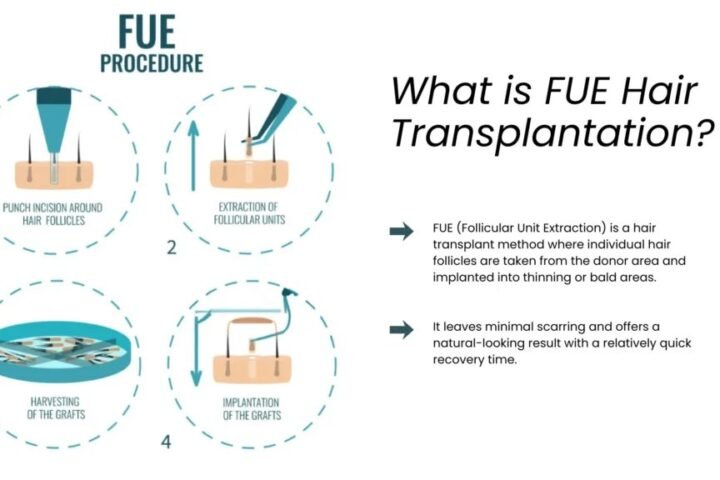
- Hair fall that seems to have no clear cause
- Getting sick often — colds, flu, that kind of thing
- Low mood, especially during monsoon or winter months
- Muscle cramps or weakness climbing stairs
If three or more of these sound like you, it might be worth getting tested rather than assuming it’s “just tiredness.”
How Vitamin D Deficiency Is Diagnosed
A simple blood test — the 25-hydroxy vitamin D test — is all it takes, and it costs somewhere between ₹800 to ₹1,500 at most diagnostic labs in India. Anything below 20 ng/mL is generally considered deficient, while 20-30 ng/mL is insufficient. [link to related guide about understanding blood test reports here]
Honestly, I think this test should be part of every annual health checkup, especially for anyone above 25 living in a metro city. It’s cheap, quick, and the results genuinely change how you approach your daily habits.
Foods That Can Help Naturally
While sunlight is the biggest natural source, food does play a supporting role. Some options worth adding to your plate:
- Egg yolks (2-3 a week is a reasonable start)
- Fatty fish like salmon or mackerel, if you eat non-veg
- Fortified milk and cereals — check the label, many Indian brands now fortify
- Mushrooms exposed to sunlight (yes, this actually works)
That said, food alone rarely fixes a real deficiency. Most doctors will pair dietary changes with supplements if your levels are low.
Sun Exposure: How Much Is Actually Enough?
Fifteen to twenty minutes of midday sun exposure, three to four times a week, on your arms and legs, is usually enough for most people. You don’t need to lie out for an hour like it’s a beach holiday.
Picture a small business owner in Jaipur who spends the whole day inside an air-conditioned shop — even a short walk outside during lunch, without sunscreen, could make a real difference over a few months.
Supplements: When Are They Necessary?
If a blood test confirms deficiency, doctors usually prescribe vitamin D3 supplements, sometimes in weekly high-dose sachets (60,000 IU) for 8-10 weeks, followed by a maintenance dose. Please don’t self-prescribe here — too much vitamin D can cause its own problems, including calcium buildup.
Long-Term Risks of Ignoring It
Left untreated for years, low vitamin D has been linked to weaker bones, higher risk of fractures, and even mood disorders. It’s not something to panic about, but it’s also not something to shrug off forever.
Frequently Asked Questions
Can vitamin D deficiency cause hair loss? Yes, it’s one of the lesser-known vitamin d deficiency symptoms. Vitamin D plays a role in hair follicle cycling, so low levels can contribute to shedding, though it’s rarely the only cause.
How long does it take to recover from vitamin D deficiency? With proper supplementation and sun exposure, most people see improved blood levels within 8-12 weeks, though how you feel better might take a bit longer.
Is 10 minutes of sun enough for vitamin D? For very fair skin, maybe. For most Indian skin tones, 15-20 minutes of midday sun a few times a week is a safer target.
Can I take vitamin D supplements without a blood test? It’s better not to. Over-supplementing without knowing your baseline can cause issues too, so a test first is genuinely worth the ₹1,000 or so.
Does vitamin D deficiency cause weight gain? There’s some research linking low vitamin D to weight gain and difficulty losing fat, though it’s more of a contributing factor than a direct cause.
Which foods have the highest vitamin D in India? Fortified milk, egg yolks, and mushrooms are your best accessible options; fatty fish if you eat non-vegetarian food.
Final Thoughts
If you’ve been feeling off — tired, achy, a bit low — and can’t quite explain why, don’t just assume it’s stress. Vitamin d deficiency symptoms are sneaky precisely because they mimic everyday fatigue. Get a simple blood test done, spend a bit more time outdoors without sunscreen, and talk to your doctor about supplements if needed. It’s a small step that genuinely changes how you feel day to day — so why not book that test this week instead of putting it off again?