
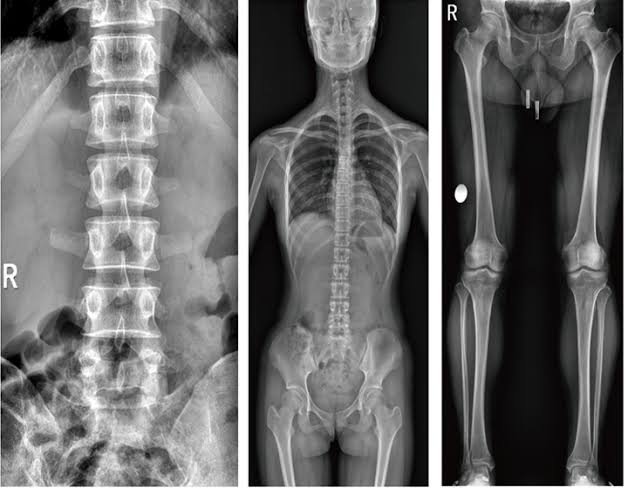
Radiology has changed significantly with the move from traditional imaging methods to digital technology. For many years, x ray film was the standard way to capture and store radiographic images. Today, healthcare facilities are increasingly using digital systems because they can make image access, storage, and workflow management more efficient.
However, moving to digital does not always mean replacing an entire X-ray room. Depending on the existing equipment, facilities can consider options such as a DR detector or a DR retrofit solution.
The Role of X-Ray Film
Traditional x ray film requires physical handling and processing before an image can be reviewed. This can add time to the examination process and requires appropriate storage for physical records.
Although x ray film is still used in some settings, digital imaging offers a more convenient approach for many modern facilities. Digital images can be viewed electronically and integrated into wider healthcare information systems, depending on the equipment and software being used.
Why DR Detectors Are Becoming Important
A DR detector captures X-ray information electronically and produces a digital image without requiring traditional film processing. This can help reduce intermediate steps between exposure and image review.
A suitable DR detector can also support more efficient workflows because images can become available for review shortly after exposure. However, detector selection should consider factors such as compatibility, image quality, detector size, durability, connectivity, and the requirements of the existing X-ray system.
What Is a DR Retrofit?
A DR retrofit is an upgrade approach that can convert an existing analogue X-ray setup into a digital workflow by replacing or adding key imaging components. This can be useful for facilities that have functioning X-ray equipment but want to move away from film-based imaging.
Instead of replacing the complete system, a DR retrofit may allow a facility to modernise selected components. This can potentially reduce disruption and make better use of existing equipment.
However, compatibility is important. The detector, generator, workstation, software, and other components need to work together correctly. Professional installation, testing, calibration, and quality assurance should therefore be part of any upgrade plan.
Choosing the Right Upgrade
The choice between continuing with x ray film, installing a DR detector, or investing in a DR retrofit depends on the facility’s workflow, equipment age, budget, patient volume, and future plans.
Facilities should also consider maintenance requirements, staff training, connectivity, image storage, and radiation safety. A digital upgrade should not simply focus on acquiring new hardware. It should improve the overall imaging process while maintaining appropriate clinical and safety standards.
Conclusion
Modernising radiology is not always about starting from scratch. The right combination of digital technology and existing infrastructure can help healthcare facilities improve efficiency while managing investment carefully. With a strong focus on reliable imaging equipment, digital workflows, compatibility, service support, and practical upgrade options, an experienced medical imaging technology provider can help radiology departments move toward a more efficient and connected future without unnecessary disruption.