

Hair loss treatments range from a daily vitamin to a surgical procedure, and the right choice depends far more on the cause of the loss than on what is popular online. Comparing the options side by side helps clarify what each one can realistically achieve, how long it takes to show results and what it involves in money and time.
Start With the Cause
Inherited pattern hair loss, shedding after illness or stress, autoimmune hair loss and deficiency-related thinning each respond to different approaches. Treating a deficiency will not stop genetic thinning, and a transplant will not help if the underlying shedding is still active. That is why a proper diagnosis comes before any purchase.
Supplements: Useful When Something Is Missing
Nutrients such as iron, vitamin D, zinc and B vitamins support normal hair growth, and correcting a confirmed shortage can reduce shedding over several months. For people with normal levels, extra supplements rarely make a visible difference, and some, taken in excess, can cause problems of their own. A review of vitamins and minerals for hair growth is a sensible starting point before buying anything, ideally alongside a blood test.
- best suited to: diffuse shedding linked to diet, blood loss or pregnancy
- time to judge: usually three to six months
- main limitation: little effect on genetic thinning

Hormonal Factors and Medication
In women, hormonal changes are a frequent contributor. Starting, switching or stopping certain contraceptives can influence shedding in people who are predisposed, and conditions such as polycystic ovary syndrome can increase androgen activity. Information on hormonal contraception and hair thinning can help you prepare questions for your doctor, who may adjust the method or suggest treatments that target the hormonal pathway.
For pattern hair loss, licensed medications can slow progression and, in some people, thicken existing hair. They work only while they are used, so they represent a long-term commitment, and they have potential side effects that need to be discussed with a prescriber.
Surgical Restoration
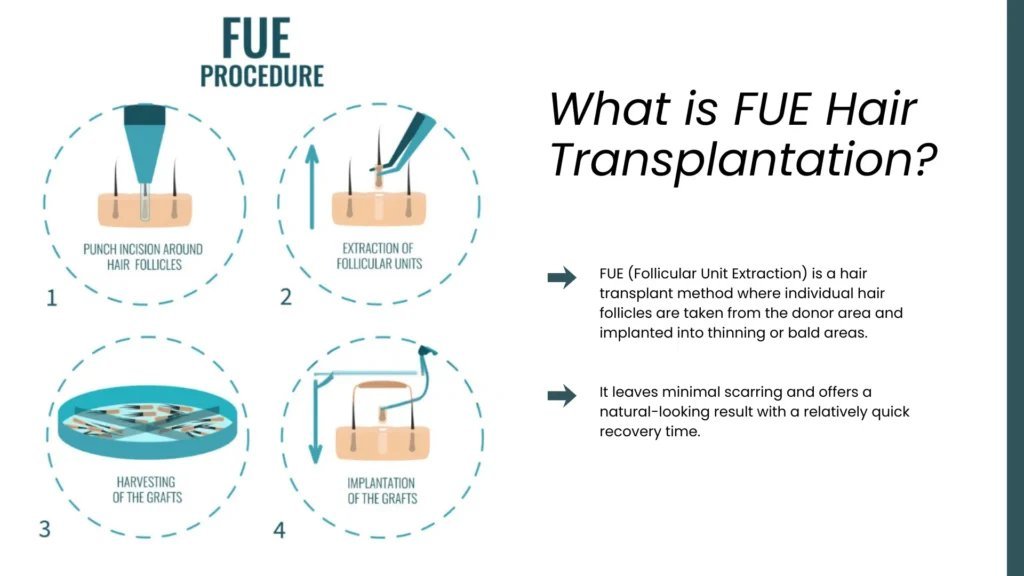
A transplant moves follicles from a stable donor area to thinning or bald zones. It does not create new hair, so the donor supply sets a limit on what can be achieved. It is most appropriate when the pattern of loss has become reasonably stable and the donor area is healthy. Many patients continue medication afterwards to protect the hair that was not transplanted.

Comparing Costs Over Time
Comparisons are fairer when you look at the total cost over several years rather than a single payment. Supplements and medication are inexpensive per month but continue indefinitely; hair systems need regular maintenance and replacement; surgery is a larger single cost with fewer ongoing expenses. A clear guide to the cost of hair replacement shows how these approaches stack up and what drives the differences.
A simple way to decide
- confirm the diagnosis and rule out deficiencies first
- try the least invasive option that matches the cause
- consider surgery when loss is stable and expectations are realistic
Combining Approaches
Many people end up using more than one approach. Someone with inherited thinning and low iron, for example, may correct the deficiency first, start a licensed treatment and only later consider surgery for an area that has not responded. Combining options in a sensible order tends to give better results than switching from one product to another every few weeks. Keeping a written record of what you started, when, and what changed makes it much easier for a doctor to judge which part of the plan is working and which can be dropped. Patience matters, because nearly every option needs months rather than weeks to show its effect.