
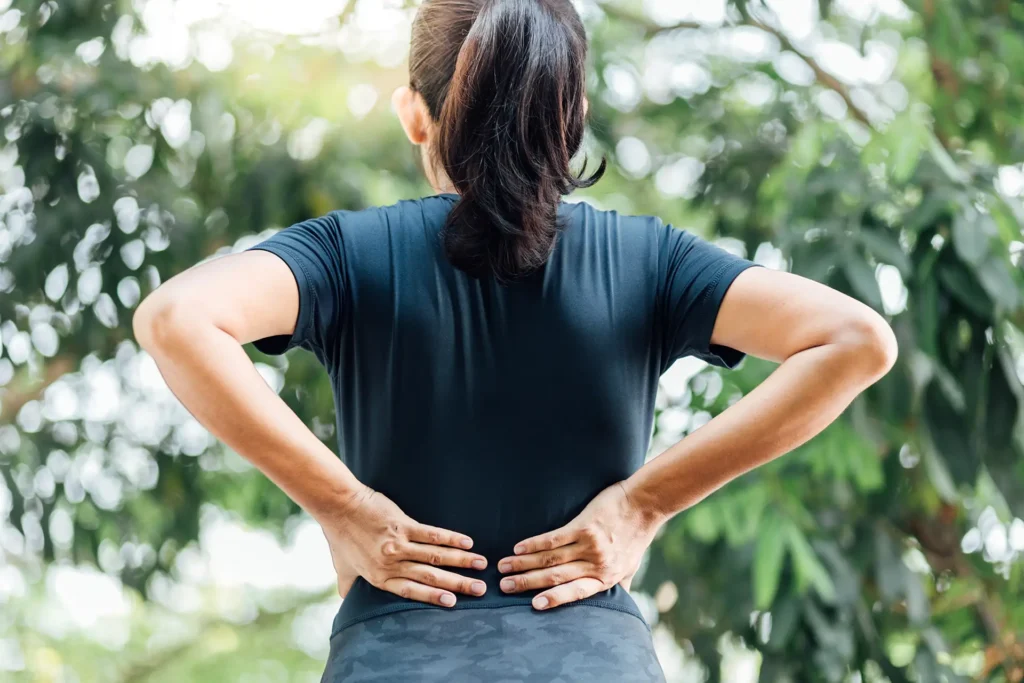
Back pain affects men and women at broadly similar rates across a lifetime. But the experience of back pain is not identical between the sexes. Women are subject to a set of hormonal influences that directly affect spinal structures, alter pain sensitivity, and create patterns of back pain that do not have direct equivalents in male patients. Understanding these hormonal dimensions is not just of academic interest. It has direct implications for how women’s back pain should be assessed, managed, and treated.
This article explores the specific hormonal factors that shape spinal health throughout a woman’s life — from menstruation through to post-menopause — and explains what effective, evidence-based treatment looks like for each phase.
The Menstrual Cycle and Lumbar Pain
Many women experience predictable cyclical back pain that corresponds to phases of the menstrual cycle, particularly in the days before and during menstruation. This is rarely dismissed by the women who experience it, but it is frequently dismissed by clinicians who treat it as peripheral to the ‘real’ spinal diagnosis.
The mechanism involves prostaglandins — hormone-like molecules released during menstruation that drive uterine contractions. Prostaglandins do not confine their effects to the uterus. They increase general inflammatory tone throughout the pelvic region and can sensitise nearby nerve structures, including the spinal nerve roots in the lower lumbar and sacral regions. Women who already have a degree of lumbar nerve root sensitivity (from disc degeneration, for example) often experience significant escalation of their back and leg symptoms during menstruation.
Additionally, the relaxin released during the luteal phase of the cycle (in preparation for potential implantation) transiently loosens pelvic and spinal ligaments, reducing structural stability and making the lumbar spine slightly more vulnerable to loading during this period.
Perimenopause: The Transition That Changes Everything
The years leading up to menopause — typically spanning the mid-40s to mid-50s — are associated with fluctuating and declining oestrogen levels. Oestrogen plays a significant protective role in the musculoskeletal system. It supports collagen synthesis in joint cartilage and spinal ligaments, maintains disc hydration, and modulates inflammatory responses throughout the body.
As oestrogen levels become erratic during perimenopause, women often notice a marked increase in musculoskeletal symptoms — increased joint stiffness, new-onset back pain, or a significant worsening of pre-existing spinal conditions. This coincides with a period in which many women are also at the height of professional and caregiving demands, making effective treatment both more important and harder to prioritise.
Post-Menopause and Bone Density: The Osteoporosis Risk
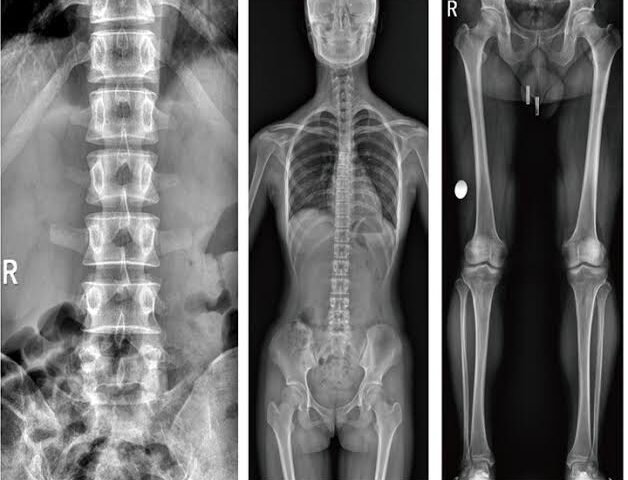
After menopause, the loss of oestrogen’s protective effect on bone density accelerates. Vertebral bone mineral density can decrease rapidly in the years immediately following menopause, increasing the risk of vertebral compression fractures — fractures that occur in the vertebral body under loads that a healthy spine would tolerate without difficulty.
Vertebral compression fractures are one of the most underdiagnosed sources of back pain in post-menopausal women. They can occur with very minor trauma — bending forward to pick something up, or even a forceful cough — and are frequently attributed to ‘muscle strain’ when the actual cause is a fractured vertebral body. The resulting pain pattern is typically sharp, severe, and significantly worsened by movement.
Post-menopausal women who develop acute back pain should receive prompt evaluation, not just symptomatic treatment. The ANSSI Wellness spinal care team is experienced in identifying the full range of causes of back pain in women at every life stage, including the hormonal and bone density factors that are specific to this population.
Endometriosis and Referred Spinal Pain
Endometriosis — a condition in which endometrial tissue grows outside the uterus — affects an estimated 1 in 10 women and is significantly under-diagnosed. When endometrial lesions are present near the sacral nerve plexus or directly adjacent to the spine, they can generate patterns of deep pelvic and lower back pain, sacral aching, and occasionally leg pain that is virtually indistinguishable from structural lumbar spine pathology.
Women with cyclical back pain that peaks around menstruation and is associated with painful periods, pain with intercourse, or pelvic heaviness should always be evaluated for endometriosis as a contributing factor. Spinal treatment alone will not resolve back pain driven by endometriosis, and the diagnosis is frequently delayed by years when symptoms are attributed solely to the spine.
Treatment Considerations for Women
Effective management of hormonally influenced back pain in women requires a clinical team that understands both the structural and hormonal dimensions of the problem. Treatment approaches that have strong evidence include:
- Targeted spinal rehabilitation: addressing the structural component of back pain through non-surgical spinal care
- Pelvic floor physiotherapy: for women with combined pelvic and lumbar pain, including those recovering from pregnancy
- Bone density optimisation: calcium, vitamin D, and weight-bearing exercise programmes during perimenopause and post-menopause
- Hormone consultation: for women in perimenopause or post-menopause, discussing the role of hormone therapy in musculoskeletal health with a gynaecologist or endocrinologist
Conclusion
Women’s back pain is not simply male back pain with different clothes on. It has distinct hormonal dimensions that demand specific clinical understanding. For women seeking spinal care that takes the full picture seriously — including the hormonal factors that are often left out of the conversation — the non-surgical specialists at ANSSI Wellness offer a comprehensive approach that addresses back pain across every stage of a woman’s life.