

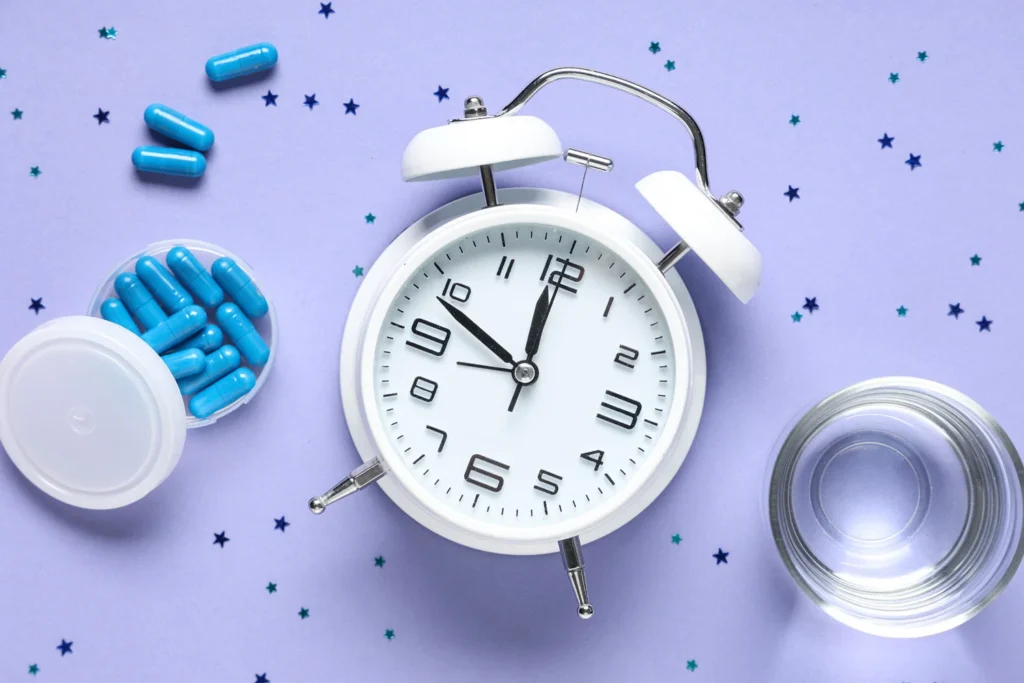
Ever wondered if it actually matters whether you take your medicine before breakfast or right before bed? I used to think it was all the same — a pill’s a pill, right? Turns out, the best time to take medicine can genuinely affect how well it works, and sometimes even how many side effects you feel. This isn’t just pharmacy folklore either; there’s a whole field called chronopharmacology dedicated to it. Let’s break down what actually matters and what’s just habit.
Why Timing Affects How Medicines Work
Your body runs on a roughly 24-hour internal clock — your circadian rhythm — and this affects things like hormone levels, digestion, and even how your liver processes drugs. So the best time to take medicine isn’t a one-size-fits-all answer; it depends heavily on what the medicine is actually meant to do.
For instance, cholesterol-lowering statins work with your body’s natural cholesterol production cycle, which peaks at night. That’s why many doctors recommend taking them in the evening.
Morning Medicines: What Typically Goes Here
Quick Answer: Medicines that boost energy, affect alertness, or need to be taken with breakfast — like thyroid medication, blood pressure pills, and multivitamins — are generally best taken in the morning, ideally on an empty stomach unless stated otherwise.
Common morning medications include:
- Thyroid hormone tablets (usually 30-60 minutes before breakfast)
- Blood pressure medications, in many cases
- Diuretics (so you’re not up all night using the bathroom)
- Steroids, which can interfere with sleep if taken late
I’ve noticed people often forget thyroid pills specifically need an empty stomach — taking it with your morning chai actually reduces absorption significantly.
Night Medicines: What Usually Falls Here
Certain medications work better, or cause fewer side effects, when taken before bed:
- Statins (especially older ones like simvastatin)
- Antihistamines that cause drowsiness
- Some antidepressants, depending on the type
- Acid reflux medications, taken before the last meal
Here’s a small real-world scenario — my uncle used to take his allergy medicine every morning and would feel drowsy through his entire workday. Switching it to nighttime, on his doctor’s advice, fixed the issue almost immediately. Small change, big difference.
Should Medicine Be Taken Before or After Food?
This is where a lot of confusion happens. Some tablets need food to reduce stomach irritation (like NSAIDs such as ibuprofen), while others are actually absorbed better on an empty stomach.
- Take with food: painkillers, metformin, most antibiotics
- Take on empty stomach: thyroid medication, certain antibiotics like azithromycin
- Doesn’t usually matter: most vitamins, though fat-soluble ones (A, D, E, K) absorb better with a meal containing some fat
[link to related guide about understanding your prescription label here]
What Happens If You Take Medicine at the “Wrong” Time?
For most medications, taking it an hour or two off schedule isn’t a disaster. But for things like insulin, blood thinners, or seizure medication, timing consistency really does matter — these need to stay at stable levels in your blood.
Has this ever happened to you — you forget your evening dose and wonder if you should just double up the next morning? Please don’t. Skip it and continue the regular schedule, unless your doctor specifically tells you otherwise.
Setting a Routine That Actually Sticks
Honestly, the biggest issue isn’t science — it’s memory. People forget doses more than they get timing wrong. A few things that help:
- Pairing medicine with an existing habit, like brushing your teeth
- Using a simple pill organizer, the ₹150 ones from any pharmacy work fine
- Setting phone alarms labeled with the medicine name, not just “take medicine”
Special Considerations for Chronic Conditions
For diabetics, blood pressure patients, and anyone on long-term medication, consistency matters more than the exact hour. If your doctor said “morning,” stick to roughly the same window daily — say, between 7 and 9 am — rather than obsessing over the exact minute.
Frequently Asked Questions
Is it better to take medicine in the morning or at night? It depends entirely on the medicine. There’s no universal best time to take medicine — thyroid pills favor mornings, statins often favor nights.
Can I take all my medicines together at once? Not always a good idea. Some medicines interact with each other or need different conditions (empty stomach vs with food), so check with your pharmacist or doctor.
What happens if I miss my medicine time? For most non-critical medications, take it as soon as you remember unless it’s close to your next dose — then just skip it, don’t double up.
Does taking medicine at the same time every day matter? Yes, for a lot of chronic condition medications, keeping a consistent time helps maintain steady levels in your bloodstream.
Should blood pressure medicine be taken at night? Some studies suggest nighttime dosing helps control morning blood pressure spikes, but this really should be a conversation with your own doctor, not a blanket rule.
Can medicine timing affect side effects? Absolutely — drowsy medications at night, energizing ones in the morning, is a simple rule that prevents a lot of daytime grogginess or nighttime restlessness.
Final Thoughts
The best time to take medicine genuinely isn’t a myth — it’s backed by how your body’s rhythms work. That said, don’t overthink it to the point of anxiety. Ask your doctor or pharmacist specifically about your prescriptions, set a simple routine, and stick to it as closely as you reasonably can. A five-minute conversation at the pharmacy counter next time you refill your prescription could save you months of unnecessary side effects