

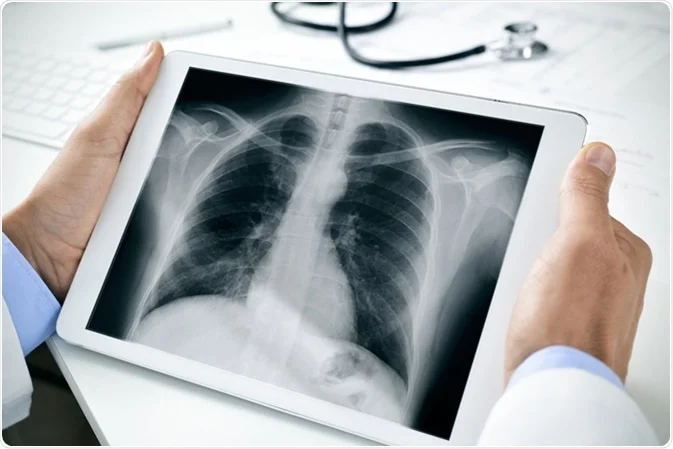
Medical imaging includes several technologies designed to help healthcare professionals examine different parts of the body. Digital radiography and digital fluoroscopy both use X-rays, but they serve different clinical purposes.
Understanding how these technologies work, where they are used and how digital detectors contribute to image acquisition can help healthcare facilities evaluate their imaging requirements.
What Is Digital Radiography?
Digital radiography, often called DR imaging, is a method of capturing X-ray images electronically. A digital detector records the X-ray information and converts it into an image that can be displayed on a compatible workstation.
DR is widely used for general radiographic examinations, including imaging of the chest, bones and other anatomical structures. Depending on the system, images can be reviewed soon after acquisition, helping staff check positioning and determine whether additional images are needed.
Because images are produced digitally, they can also be transferred to compatible picture archiving and communication systems (PACS). This supports electronic storage, retrieval and sharing within healthcare networks.
The actual workflow depends on the equipment, software, connectivity and procedures used by the facility.
What Is Digital Fluoroscopy?
Digital fluoroscopy uses X-rays to produce a sequence of images, allowing clinicians to observe movement or monitor procedures in near real time.
Unlike a conventional radiograph, which generally captures a still image, fluoroscopy can help visualise processes such as the movement of contrast material through parts of the digestive tract. It is also used in selected interventional procedures and other examinations requiring dynamic imaging.
Digital fluoroscopy systems may include an X-ray source, an image receptor, display equipment and specialised software. The system’s configuration depends on the clinical application.
Because fluoroscopy may involve ongoing or repeated X-ray exposure, radiation protection and dose management are essential. Staff must follow appropriate protocols, use suitable imaging settings and ensure that examinations are clinically justified.
The Role of Digital Detectors
Digital detectors are central to both DR imaging and many fluoroscopy systems, although the detector designs and performance requirements can differ.
In general radiography, the detector captures information for a still image. In fluoroscopy, the imaging system must support a sequence of images suitable for observing movement or guiding a procedure.
Detector selection can influence factors such as image quality, sensitivity, workflow and compatibility with the wider imaging system. Other components, including the X-ray generator, image-processing software and display, also affect overall performance.
Healthcare facilities should therefore assess the complete system rather than comparing detectors based on a single specification.
How DR Imaging and Fluoroscopy Differ
Although both technologies use X-rays, they are designed for different imaging tasks.
- DR imaging: Primarily produces still images for examining anatomical structures.
- Digital fluoroscopy: Produces sequences of images to visualise movement or guide certain procedures.
- Clinical workflow: DR is often used for routine radiographic examinations, while fluoroscopy is selected when dynamic visualisation is required.
- Equipment considerations: Both require suitable imaging components, trained personnel and appropriate radiation-safety practices, but their system configurations and operating requirements differ.
The technologies can complement each other within a hospital or diagnostic centre because they address different clinical needs.
Evaluating DR Radiology Solutions
When reviewing DR radiology solutions, healthcare facilities should begin by identifying their most common examinations, patient volumes and workflow challenges.
For general radiography, considerations may include detector configuration, image quality, positioning flexibility and integration with existing systems. For fluoroscopy, facilities may need to assess dynamic imaging performance, procedure requirements, dose-management features and staff training.
Other important factors include maintenance support, equipment lifespan, installation requirements and the total cost of ownership.
Digital detectors are an important part of modern radiology, but the best system is one that fits the facility’s clinical needs and operational environment. Reviewing manufacturer documentation and consulting qualified imaging professionals can help ensure an informed equipment decision.